


Foundational studies to understand the complexities of biological systems
Developing novel strategies to model, predict, and redesign for microbial and plant biotechnology to optimize the production of value-added bioproducts and bioenergy. Our work supports the emerging US Bioeconomy by securing critical domestic supply chains for biomaterials and critical minerals and materials.
Our research supports and is aligned with the missions of the U.S. Department of Energy's Office of Basic Energy Sciences and Office of Biological and Environmental Research. In collaboration with the Collider-Accelerator Division, the Biology Division manages the NASA Space Radiation Laboratory (NSRL) at Brookhaven, where radiobiologists and physicists investigate the effects of space radiation on living and non-living systems. This research helps inform strategies to protect astronauts and electronic hardware from radiation hazards during future space exploration missions.
Capabilities and approaches
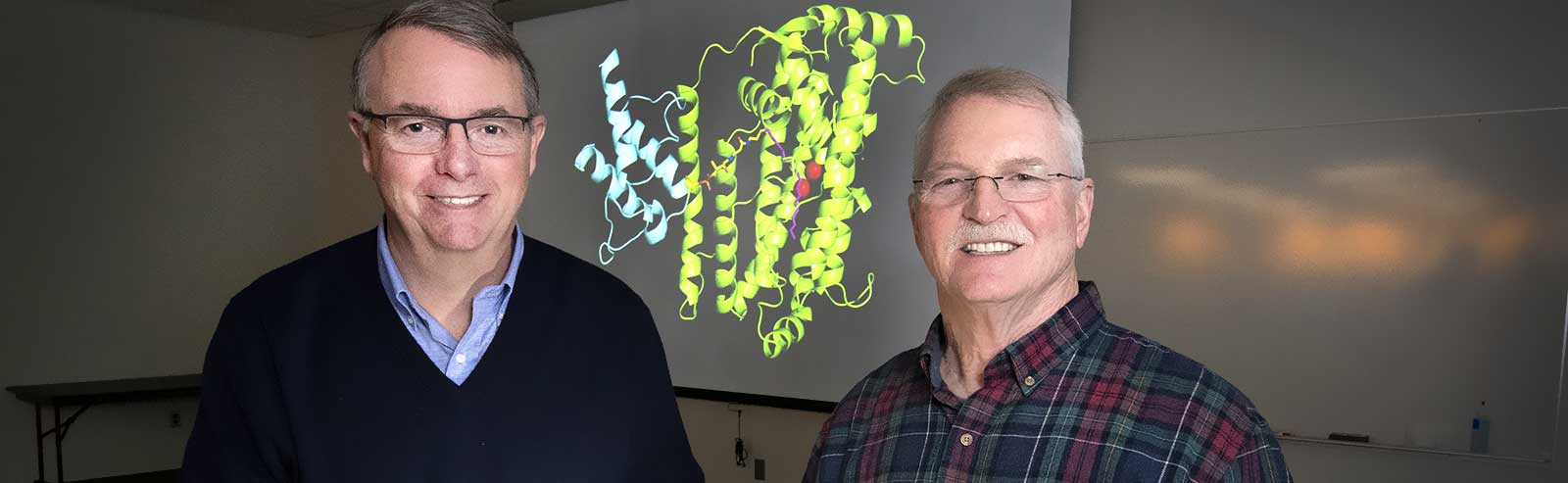
X-ray and cryo-EM molecular and cellular bioimaging to understand biological processes across scales, Integrating AI model and automation, AI- and bioinformatics-enabled directed evolution for the bio design of enzymes and pathways for CMM capture and the production of lignin and oil, and HTP quantitation and in-depth analyses of desired bioproducts.
Facility use
Our work leverages the unique capabilities of Brookhaven's National Synchrotron Light Source-II, the Laboratory for Biomolecular Studies and Center for Functional Nanomaterials, major research facilities open to scientists from around the world.



Plant Sciences
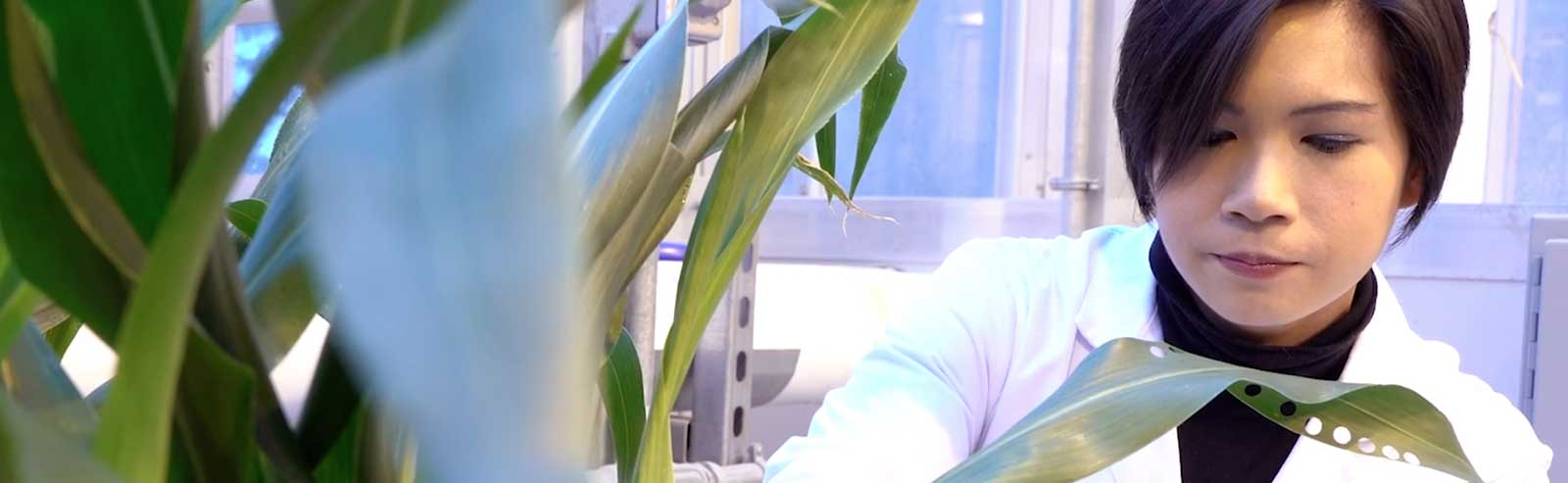
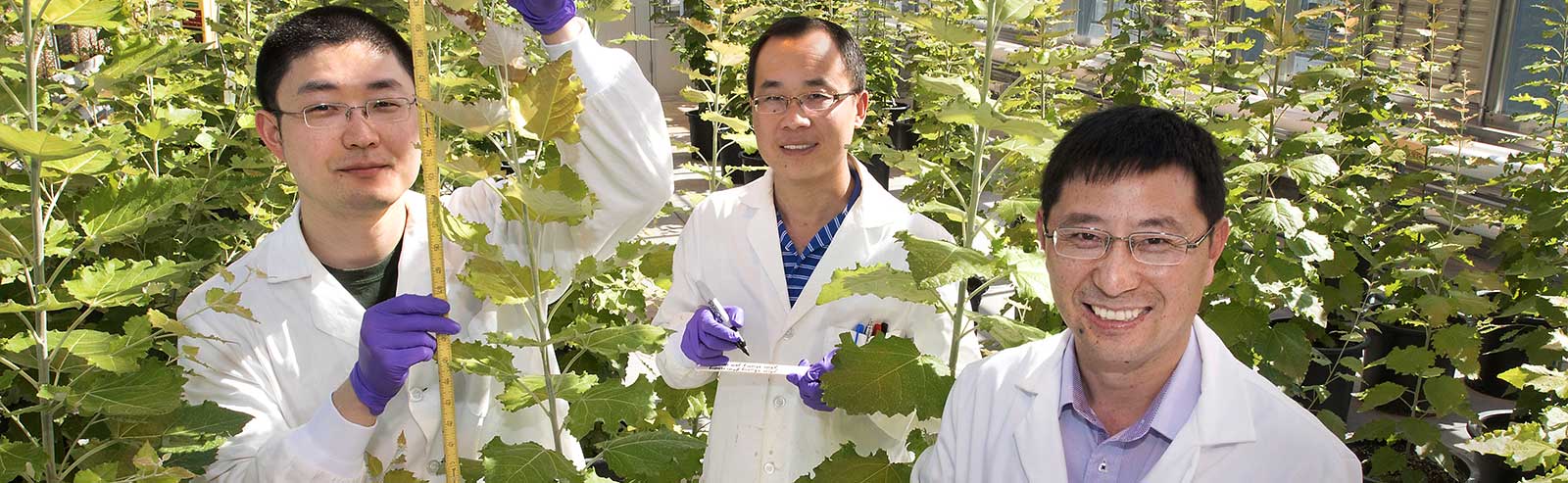
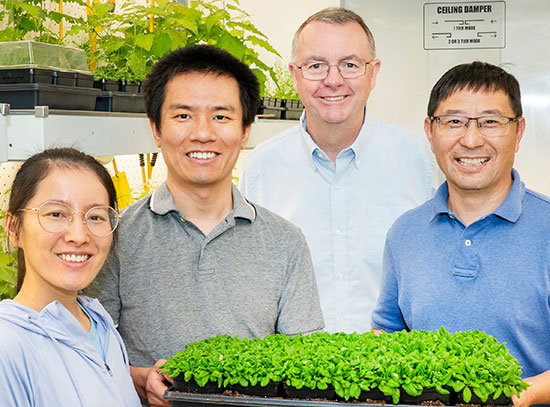
We're working to understand the principles underlying carbon capture, conversion, and storage in living systems and to develop the capability to model, predict and optimize these processes in plants and microorganisms. What we learn will contribute to the development of a robust Bioeconomy and increase the production of desired products on marginal lands that are unused for food production.

NSRL Support Group
Using the NASA Space Radiation Laboratory (NSRL) to study how energetic particles interact with cells, DNA, and shielding materials helps to characterize the risks future astronauts and their electronic support systems will may face on long space missions and provide the basis for designing protective strategies.
Latest News

Funding Agencies
Facilities
The Biology Division is part of Brookhaven's Environment, Biology, and Nuclear Science & Nonproliferation Directorate.
