


Our Mission
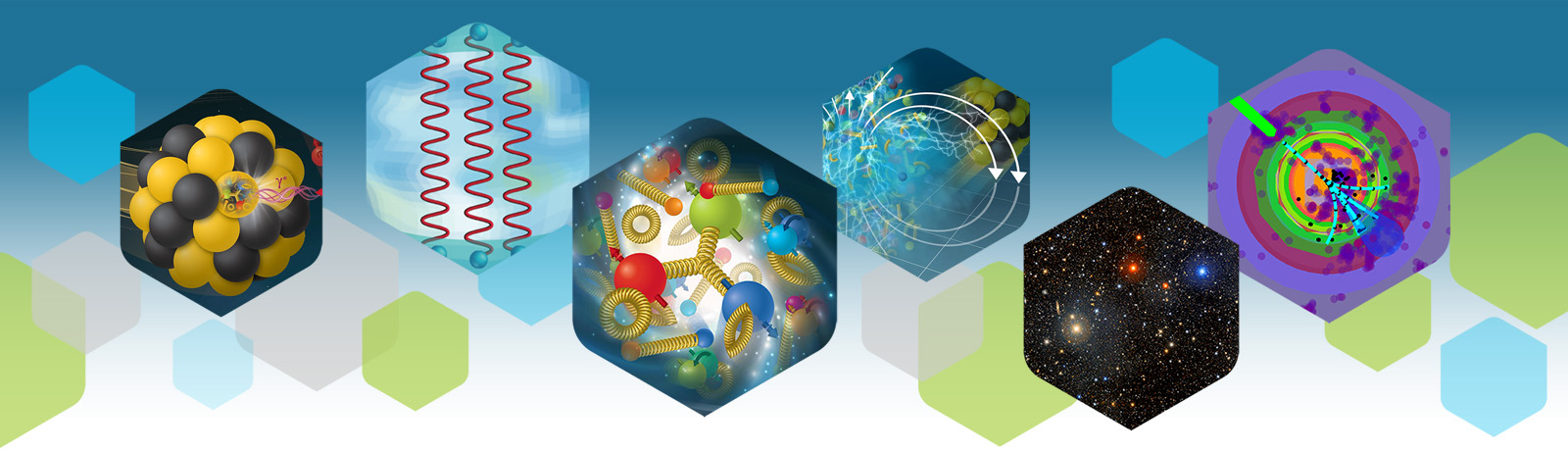
The mission of the Fundamental Interactions and Particles Directorate is to lead and support discovery-based, innovation-driven research at the frontiers of the subatomic world. We are world-leading in nuclear physics research that serves international scientific communities. We are building the Electron-Ion Collider, a unique high-luminosity polarized collider that will unlock the secrets of the strongest force in Nature. We play a leading role in global particle physics programs to understand the world of elementary particles and their interactions and expand our understanding of the cosmos. Our pursuit of this fundamental and discovery research yields scientific and technological breakthroughs that benefit society.
Our commitment to safety
We are committed to ensuring that all staff and visitors have a safe and healthy working environment, protecting the general public and the environment from unacceptable environmental, safety and health risks.
Research Areas
Local and Global Impact
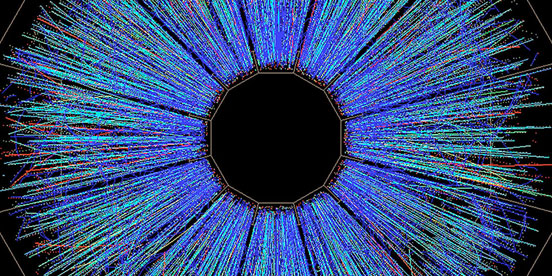
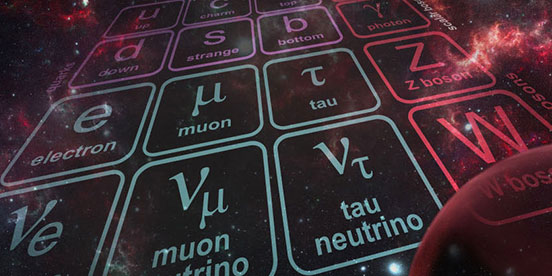
The world-leading science explored within the Fundamental Interactions and Particles Directorate (FIP)—and the design and operation of technologies that make the science possible—generate benefits across a wide array of scientific fields and for society in general.
-
LEADERSHIP IN SCIENCE AND TECHNOLOGY
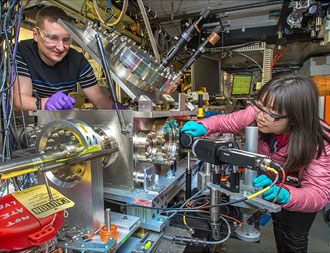
FIP projects attract the world’s best and brightest accelerator scientists, experimental and theoretical physicists, engineers, and technicians to tackle unique challenges and develop new technologies.
-
AN ECONOMIC ENGINE

FIP projects can drive economic advancement through the transfer of new technologies and knowhow to the commercial sector.
-
EDUCATIONAL OPPORTUNITIES
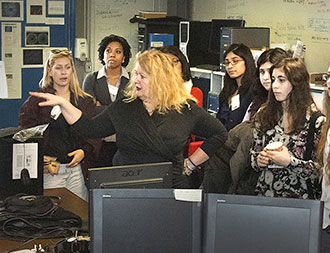
FIP projects offer countless educational opportunities for students from high school to graduate school, and for training a highly skilled workforce — the scientists, engineers, and tech-savvy workers who will tackle today’s scientific and technological challenges—and imagine and implement the advances of tomorrow.
-
JOBS
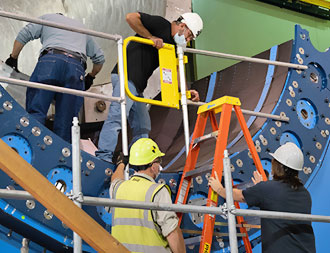
FIP projects support jobs — including in construction and other trades while facilities are being built, plus long-term highly skilled jobs in science, engineering, and technology for the duration of experimental operations.
-
ADVANCED ACCELERATORS
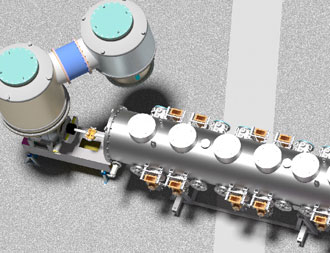
FIP projects drive the evolution of innovative accelerator technologies that can also be used to explore properties of materials such as superconductors and batteries; study proteins involved in disease; deliver particle beam cancer therapy; make and test computer chips; and kill germs in our food supply.
-
MAGNIFICENT MAGNETS
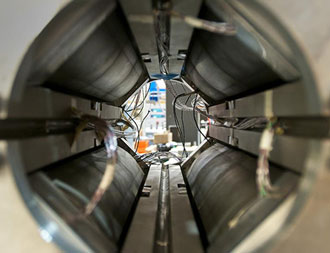
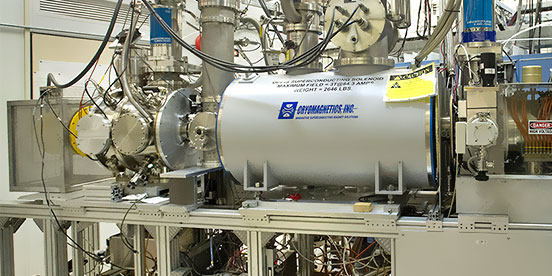
Physicists and engineers working on FIP projects have designed and constructed sophisticated magnets for research facilities all around the world. Some of these magnet designs could be used in new types of energy storage or facilities for more efficient delivery of effective cancer treatments.
-
DETECTOR TECHNOLOGY
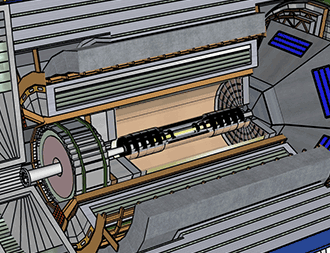
Technology developed for tracking particles in FIP experiments may be applied in medical imaging, to identify illicit cargo, and support other national security applications.
-
TACKLING BIG DATA

FIP experiments drive the development of powerful data-processing and analysis tools, including approaches that use machine learning and artificial intelligence. These tools can be applied to other data-intensive challenges such as understanding climate change; tracking global pandemics; and tackling challenges in national security.
