


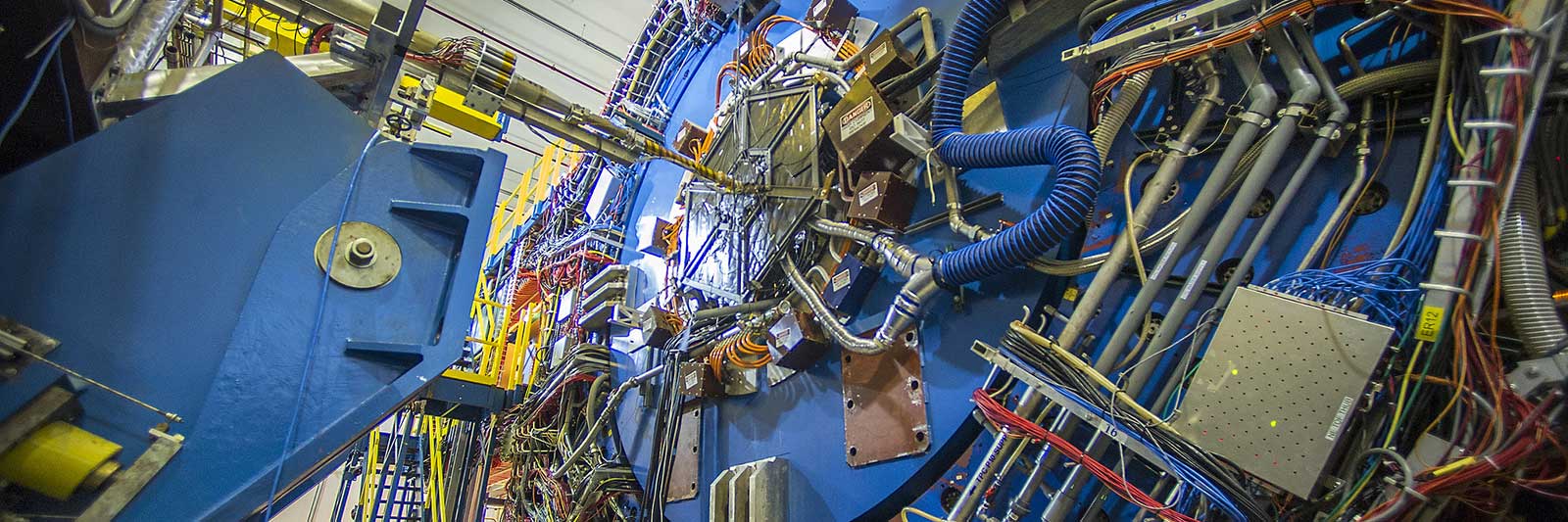
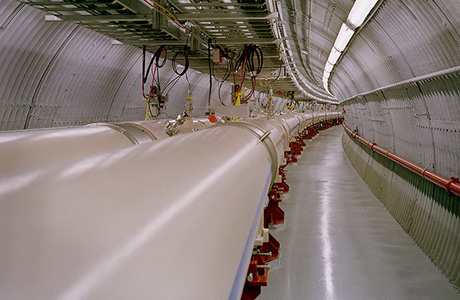
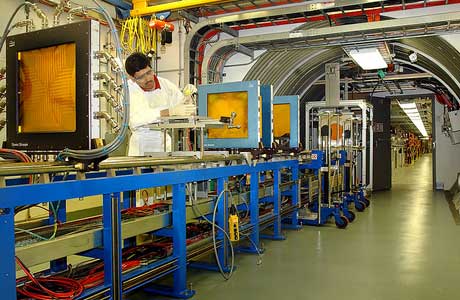
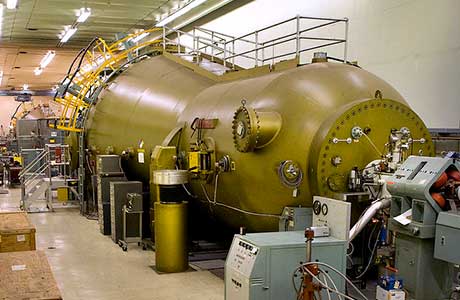
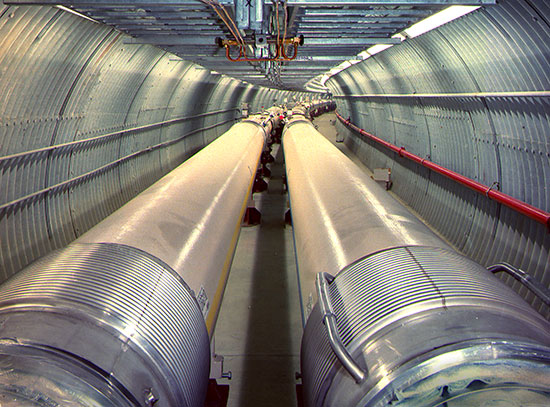
The mission of the Collider-Accelerator Department is to develop, improve and operate the suite of particle / heavy ion accelerators used to carry out the program of accelerator-based experiments at BNL; to support the experimental program including design, construction and operation of the beam transports to the experiments plus support of detector and research needs of the experiments; to design and construct new accelerator facilities in support of the BNL and national missions. The C-A Department supports an international user community of over 1,500 scientists. The department performs all these functions in an environmentally responsible and safe manner under a rigorous conduct of operations approach.
User Facilities supported by the Collider-Accelerator Department
News

Events
There are no events scheduled at this time.
Conferences / Workshops
No conferences.
-
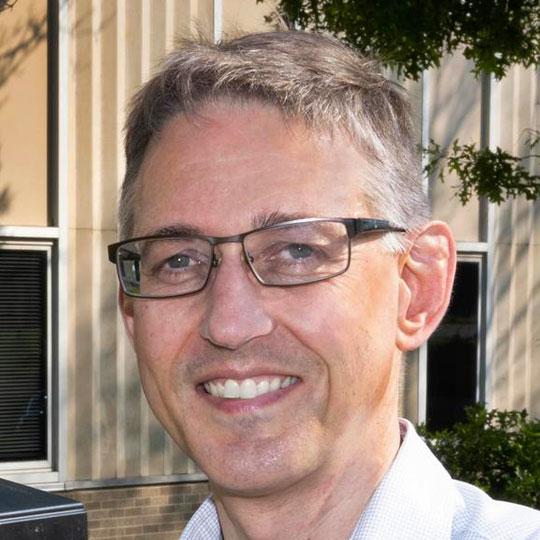
Wolfram Fischer
Deputy Associate Laboratory Director for Accelerators, Department Chair
(631) 344-5452, wfischer@bnl.gov
-

-
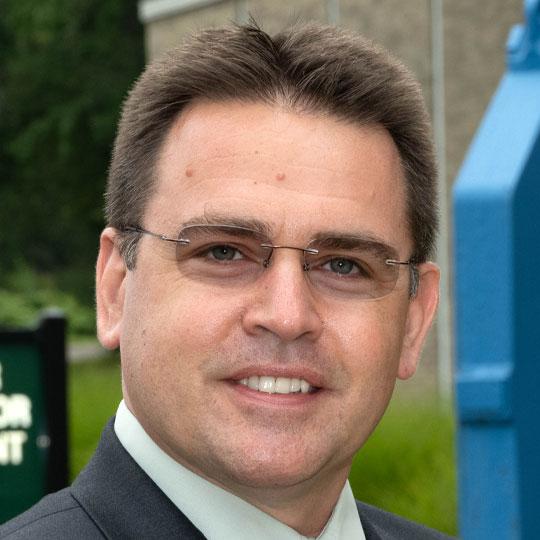
Raymond Fliller
Division Head, Environment, Safety, Security, Health and Quality
(631) 344-2356, rfliller@bnl.gov
-
-
-

-
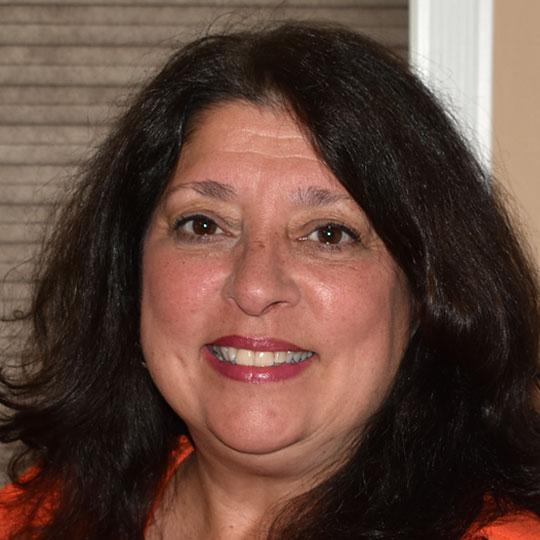
Lynanne DiFilippo
(631) 344-4619, difilip@bnl.gov
-

Nancy Lee Johnson
(631) 344-5276, njohnson@bnl.gov
-
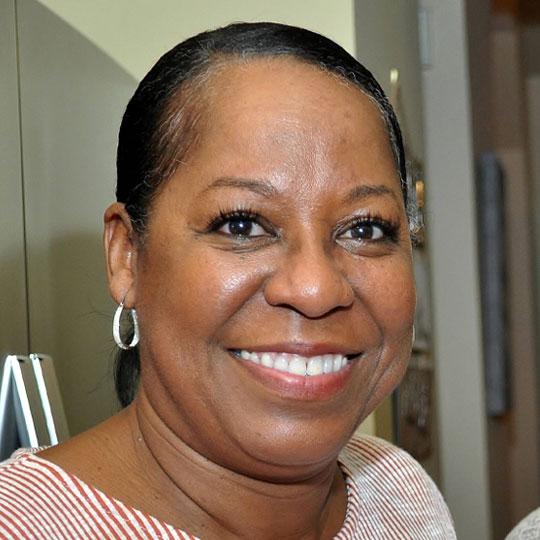
Gladys McKenzie
(631) 344-4559, gmckenzie@bnl.gov
The Collider-Accelerator Department is part of Brookhaven National Laboratory's Nuclear & Particle Physics Directorate.
