


- Home
-
Groundwater Protection
-
Groundwater Protection
Program Overview
Documents and Reports
Groundwater Projects
Surface Projects
Land Use & Institutional Controls Mapping
Groundwater Status Reports
Contact
Reactor Decommissioning Projects
About
BGRR Science & Accomplishments
Celebrating DOE's Cleanup Accomplishments (PDF)
ContactBrookhaven Graphite Research Reactor (BGRR)
Brookhaven Graphite Research Reactor(BGRR) Overview
BGRR Complex Description
Decommissioning Decision
BGRR Complex Cleanup Actions
BGRR Documents
High Flux Beam Reactor (HFBR)
High Flux Beam Reactor (HFBR) Overview
HFBR Complex Description
Decommissioning Decision
HFBR Complex Cleanup Actions
HFBR Documents
-
Invertebrates
Invertebrates are animals without backbones. In estimates of the number of species found on earth (somewhere between 5 and 30 million) invertebrates compose around 99 percent of all species known and unknown. Invertebrates are grouped based on similarities. Some of the more interesting and colorful groups include the butterflies, moths, dragonflies, and damselflies.
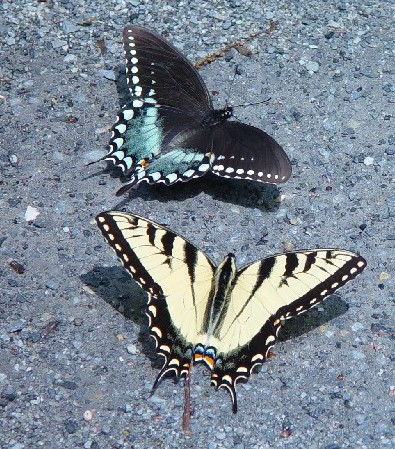
Eastern Tiger Swallowtail (Papilio glaucus) female (top), male (bottom)
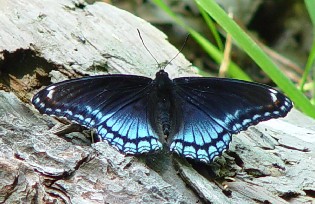
Red-spotted Purple (Limenitis arthemis astyanax)
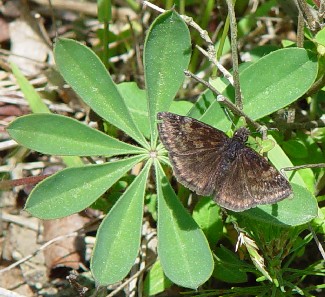
Wild Indigo Duskywing (Erynnis baptisiae) on Lupine
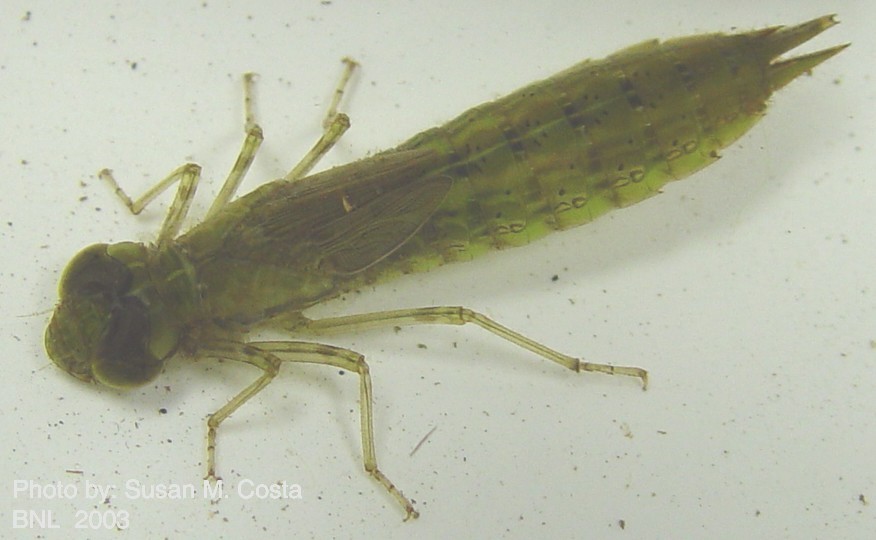
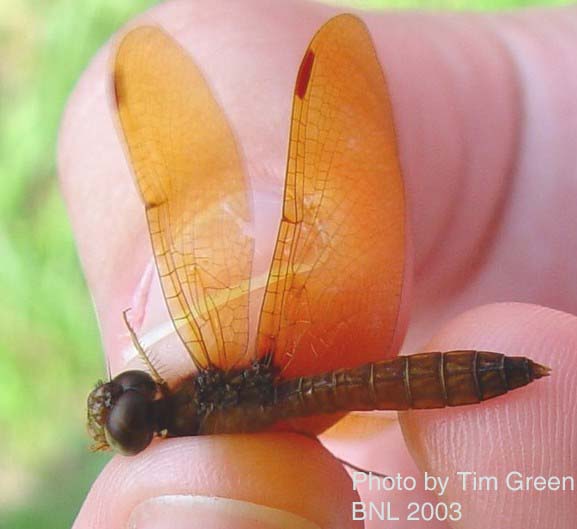
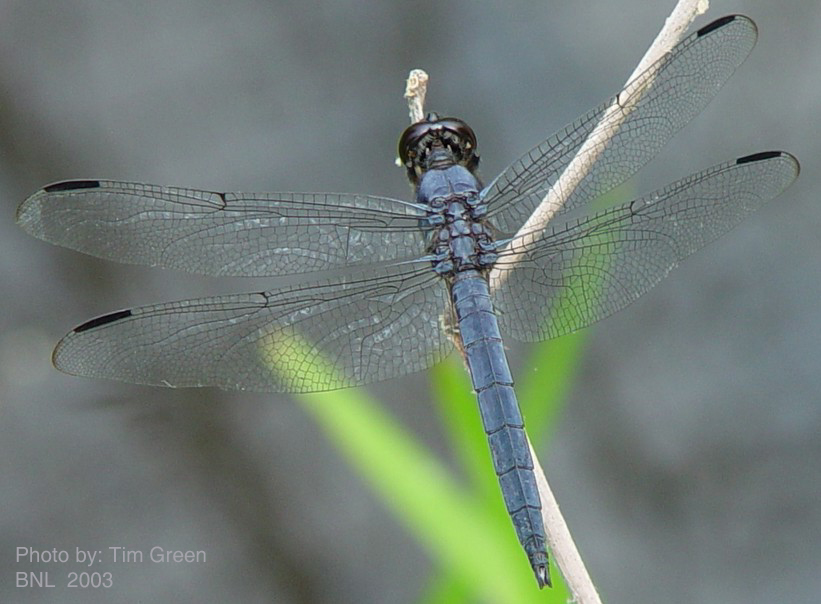
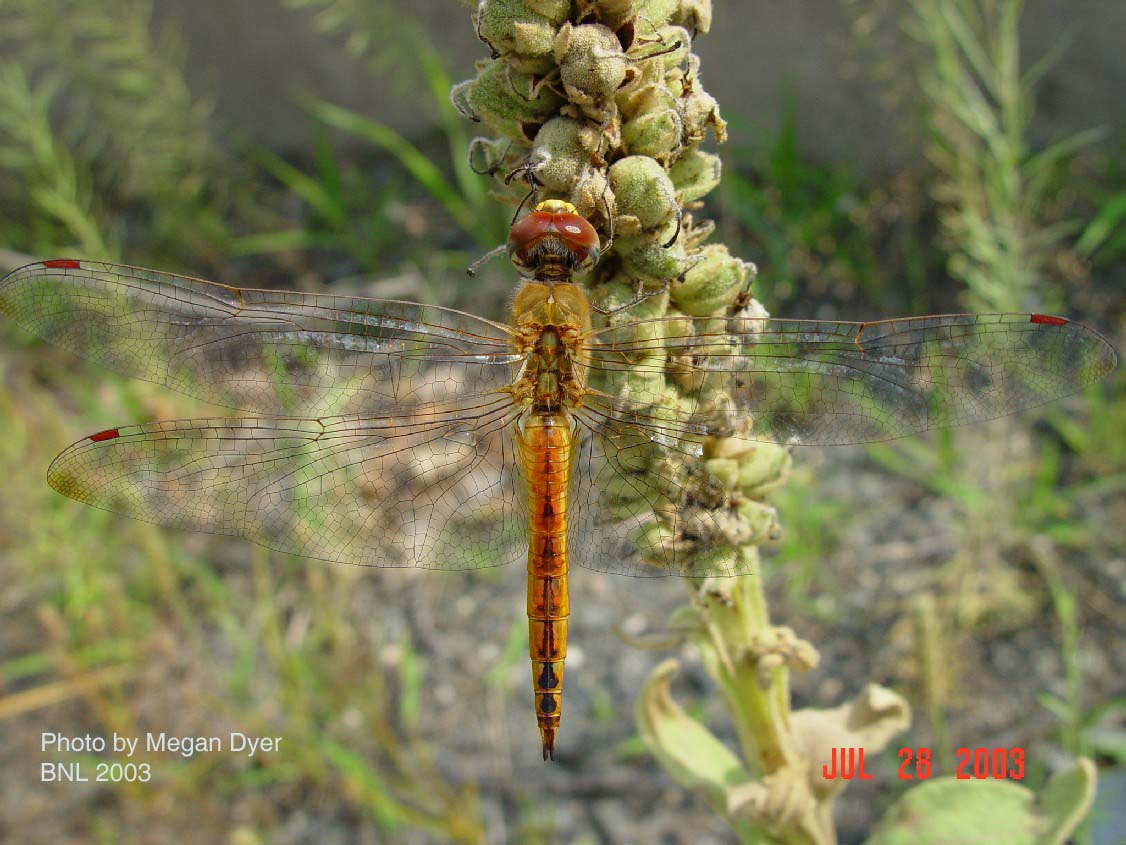
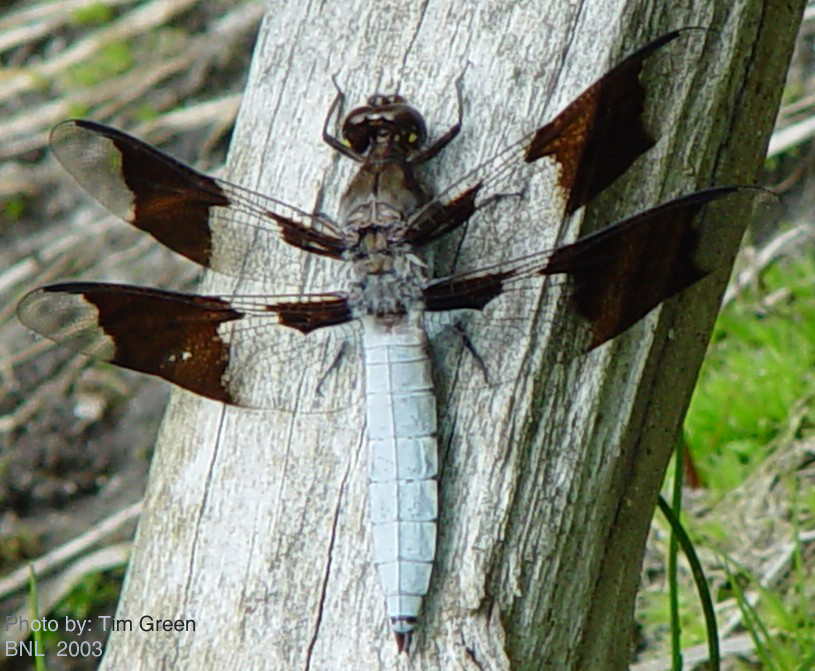
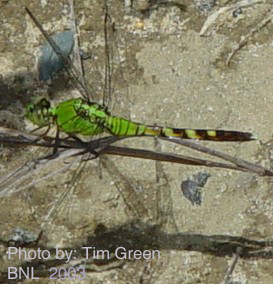
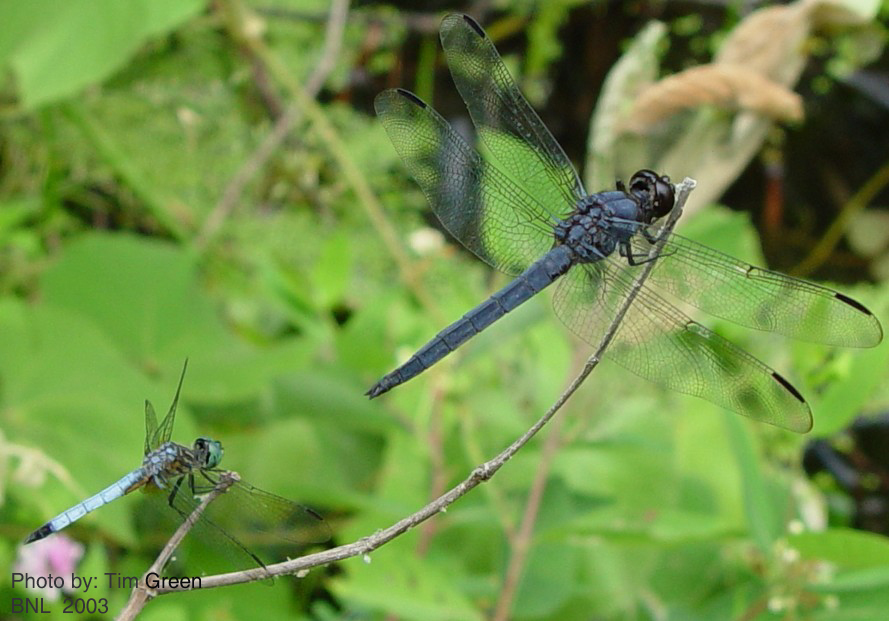
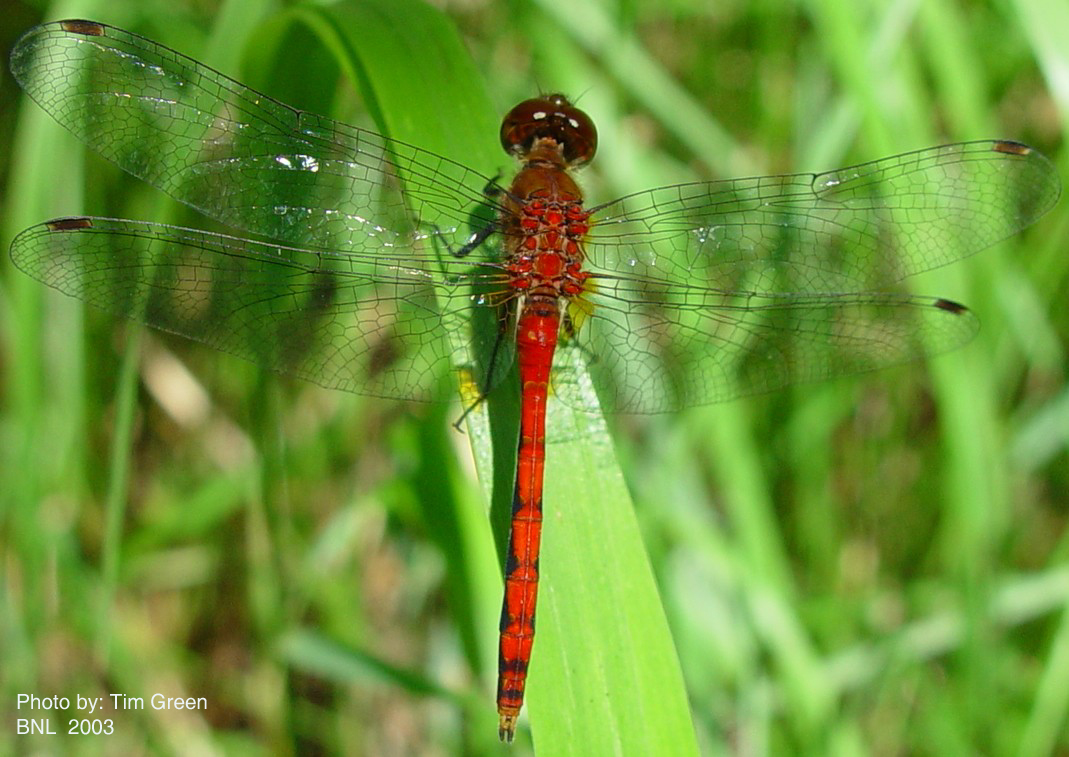
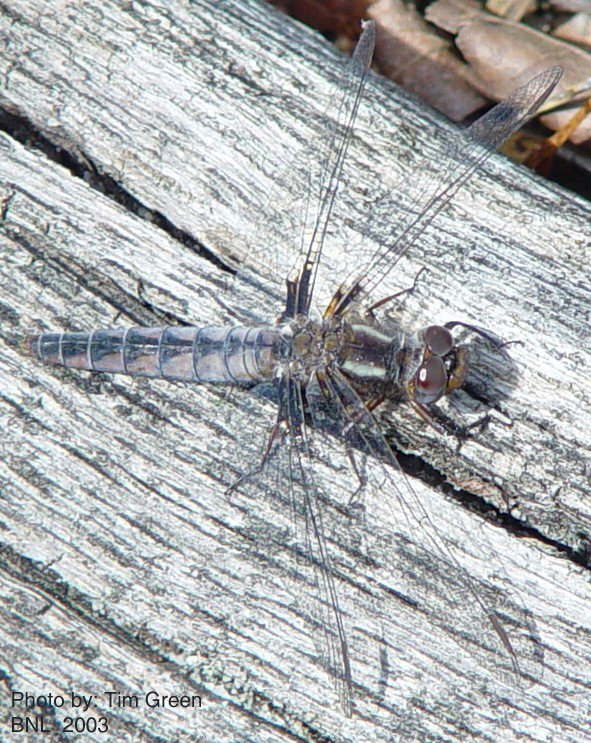
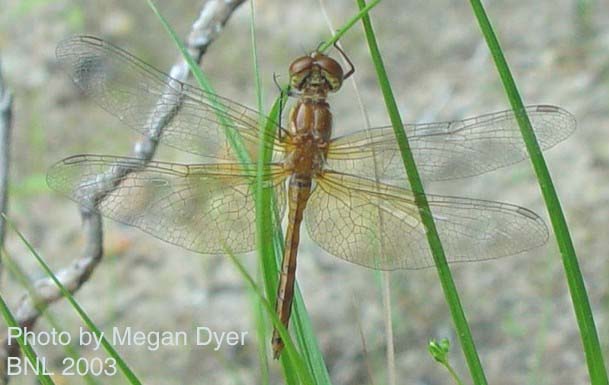
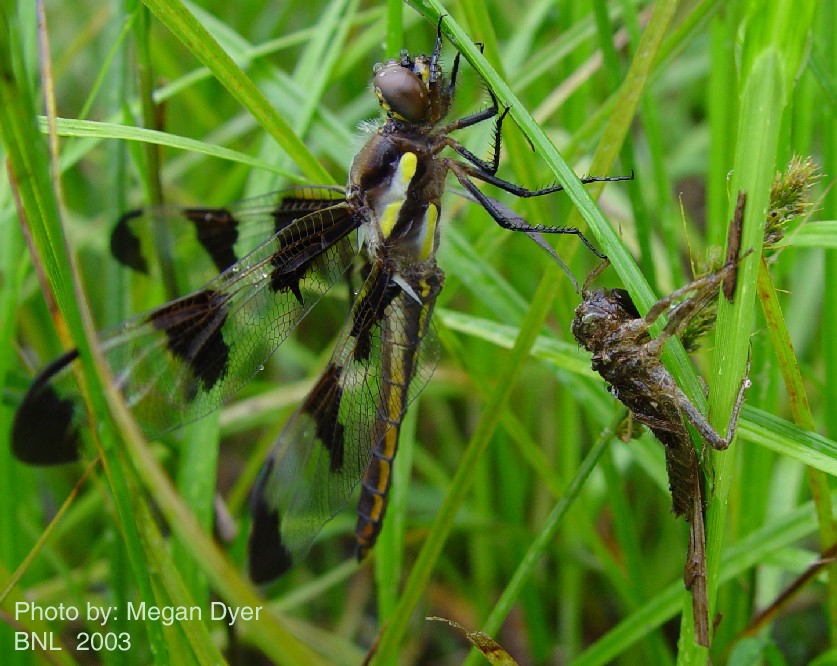
Dragonflies were one of the earliest insects to arise. They have the most primitive flight structure of all the flying insects. While their wing and muscle structure is primitive it is quite effective. This insects are extremely agile flyers. They are predatory both as larva and as adults. Larva feed on other insects, small fish, and amphibian larvae. Adults feed on-the-fly catching other insects, including other dragonflies, then eat their catch while cruising. Dragonflies are quickly identified from damselflies based on their holding the wings straight out from the body when at rest.
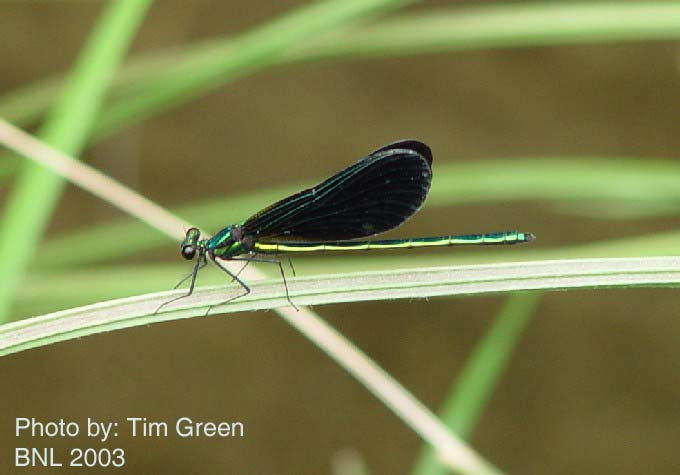
Damselflies split off of the evolutionary line of dragonflies. These insects get their names based on their dainty appearance. They are very slender compared to their dragonfly cousins, they fold their wings over their bodies when at rest, and they are not strong fliers. Like dragonflies they are predatory, eating small aquatic insects as larvae, and small flying insects as adults.
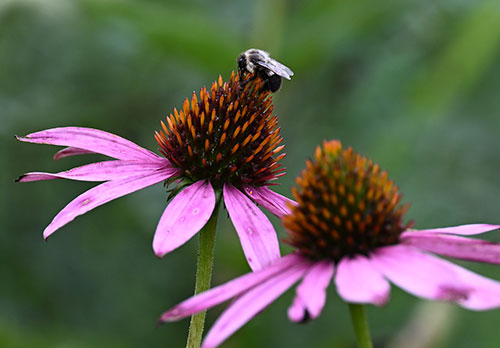
Native pollinator populations are declining globally due to the loss, degradation, and fragmentation of habitat; diminished quantity and quality of food sources; reduced availability of sites for mating, nesting, and migration; exposure to pesticides; and increased adverse effects from pests, pathogens, and parasites. Sadly, these factors have resulted in the decline of many species. Surveys have indicated that in New York State alone, 40-60 percent of pollinator species are rare or declining with more than ten percent potentially extirpated.
Native pollinators include many varieties of bees, flies, wasps, moths, butterflies, and beetles. The decline of honeybee populations has been broadly publicized, and though they are an essential pollinator of agricultural crops, they are not native to the United States. Studies have shown that honeybees can negatively impact native pollinators through increased competition for nectar and through transmission of pests and pathogens to native bee species.
Best Management Practices were adopted by the Department of Energy (DOE) and have been implemented by the Laboratory to create or enhance the pollinator habitat which include limiting pesticide use, habitat management in the form of prescribed fire and/or mowing, managing lawns for pollinators, and proper use of mulch in landscaping.
Prescribed fire has been shown to be beneficial to many native pollinator species, and a prescribed/reduced mowing regime is being implemented on some areas of the Laboratory which includes seeding with native grasses and wildflowers known to promote pollinators. Thus far, 24 acres have been seeded with wildflowers. Additional areas will be seeded as resources become available.
