Center for Functional NanomaterialsAn Office of Science User Facility


- Home
- Facilities
- Research
-
Working at CFN
- Arrival & Departure
- Reports & Publications
- Acknowledging Use of CFN Facilities
- Data Management
- The Guide to Brookhaven
Safety Procedures
- Operations Plan
- Experimental Safety Reviews (ESR)
- COSA Training
- Hours of Operation
- Laser System Qualification
- Transport of Hazardous Materials
- Vendor On-site Scheduling Procedure (PDF)
- Electrical Equipment Inspections
- News & Events
- People
- Jobs
- Contact
- Business
- Intranet
Staff Directory
-

Abdullah Al-Mahboob
Staff Scientist
Interface Sciences and Catalysis Group
(631) 344-4930, aalmahboo@bnl.gov
-
-

-

-

J. Anibal Boscoboinik
Materials Scientist
Interface Sciences/Catalysis
(631) 344-7272, jboscoboinik@bnl.gov
-

-

-

-
-

-
-
-

-

-
-

-

-
-

-

-

-

-

-

-

-

-
-

-

-

-

-

-
-

-

-

-
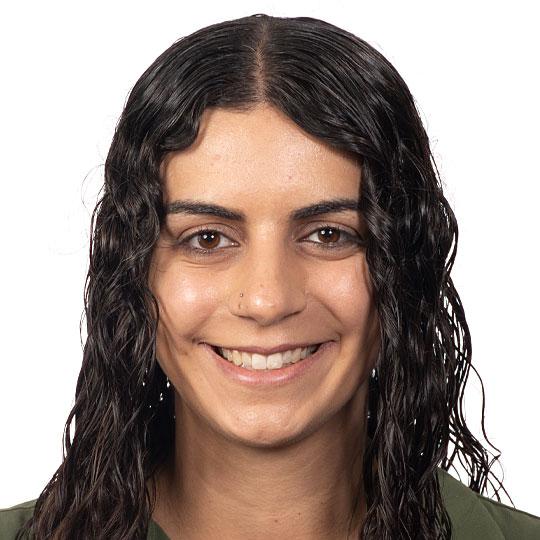
-
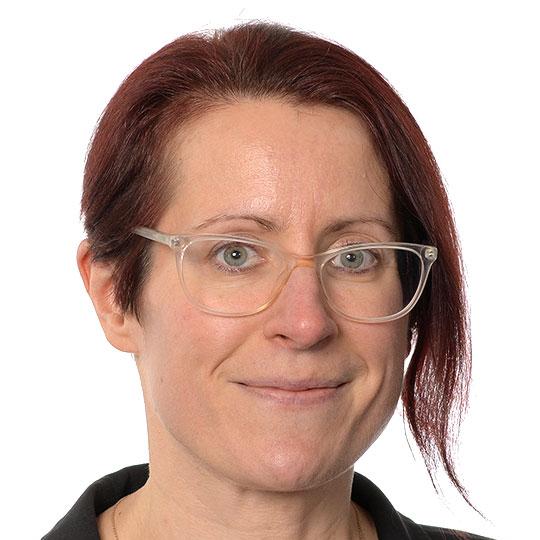
-

-

-

Rachel Morales Lopez
Group Leader, Administrative Operations
CFN Management
(631) 344-4985, rlopez@bnl.gov
-

-

-

-

-

-

-

-

-

-
-

Jerzy (Jurek) Sadowski
Senior Scientist
Interface Science and Catalysis Group
(631) 344-8077, sadowski@bnl.gov
-

-

-
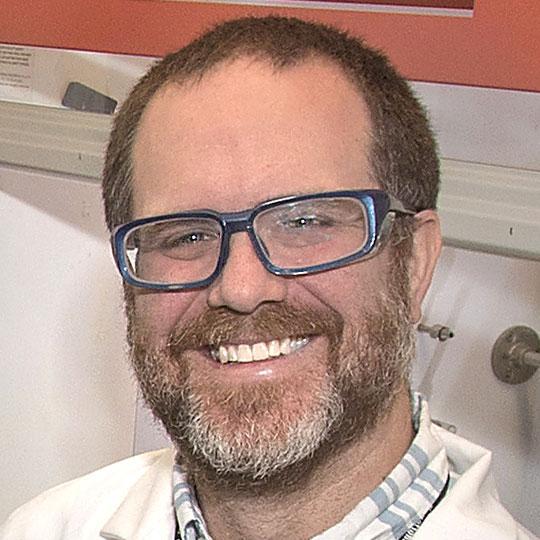
-

-

-

-

-

-

Nikhil Tiwale
Nanofabrication Staff Scientist
Electronic Nanomaterials
(631) 344-3782, ntiwale@bnl.gov
-

-

-

-

-

-
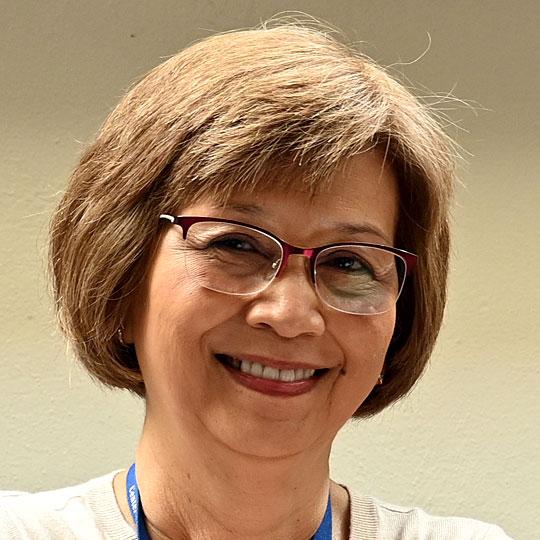
Maria-Gracia (Grace) Webster
CFN User Program Administrator
CFN Management
(631) 344-3227, gwebster@bnl.gov
-

-

-

-

-

-

-
-

-

-